
Dominate AI Search in 2026: The Ultimate Guide to Master GEO, AEO, and AISEO
The internet waits for no one. How to survive the Generative AI earthquake using information density, structured formatting, and entity authority.

Listen Up: The Generative Earthquake
I’ve been in the search game since the days of AltaVista, Ask Jeeves, and keyword-stuffing white text on a white background. I’ve survived Google Panda, Penguin, and every chaotic core update over the last 25 years.
If there is one thing I’ve learned in my 58 years on this earth, it's that the internet waits for no one. The shift I am seeing right now with Generative AI is the biggest earthquake since Google introduced PageRank.
To get cited by AI engines like ChatGPT, Perplexity, Gemini, and Claude in 2026, you need information density, structured formatting, and entity authority. You asked if 1,000 words is the right length? Yes, 1,000 to 1,500 words is the absolute sweet spot for Generative Engine Optimization (GEO). AI models need comprehensive, deep-dive content to train on and cite. Thin content gets ignored by the LLMs (Large Language Models).
The Data Doesn't Lie: Why AI Search is the New Standard
Why does this matter right now? Because consumer behavior has permanently fundamentally shifted. Traditional search results filled with ads and blue links are being bypassed for direct, conversational AI answers.
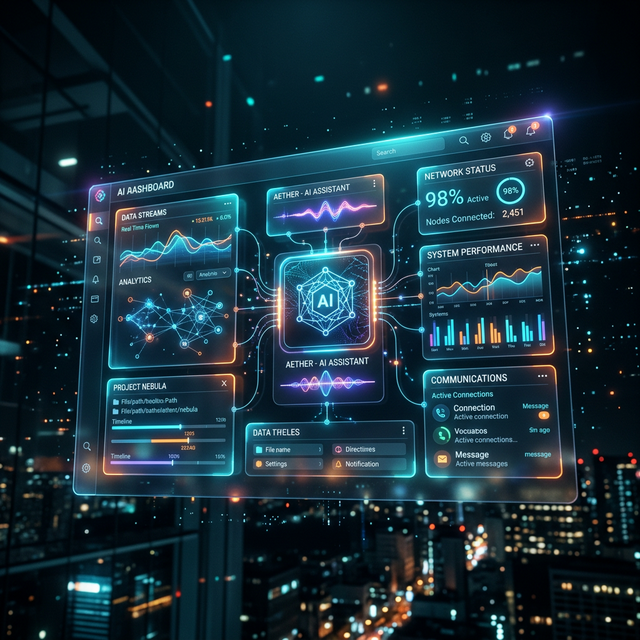
- Massive Consumer Adoption: A recent survey revealed that a staggering 87% of U.S. adults read AI-generated summaries in search results, and 84% have actively used AI in their shopping journey (Search Engine Land).
- Trust is Shifting: According to the CDP Institute, over 40% of consumers now trust AI search results more than paid ads, with an overwhelming 85% trusting AI answers over traditional search engine marketing (CDP Institute).
- B2B & Workplace Integration: It’s not just consumers. There is a 70% workplace adoption rate of generative AI tools. Decision-makers are asking AI for vendor recommendations.
In other words, your potential customers are asking AI assistants for recommendations long before they ever visit a website. If your brand isn't showing up in those AI-driven answers, you are virtually invisible to a massive segment of your audience.
Decoding the 2026 Acronyms: SEO vs. GEO vs. AEO vs. AISEO
To win the game, you have to know the rules. Here is how the landscape breaks down today:
- Traditional SEO: Optimizing for keywords, backlinks, and technical site health to rank on traditional search engine results pages (SERPs).
- AEO (Answer Engine Optimization): Formatting your content so that voice assistants (like Siri or Alexa) and text-based AI can easily extract direct, concise answers to specific user questions.
- GEO (Generative Engine Optimization): Optimizing content specifically to be cited and summarized by Large Language Models (LLMs) like ChatGPT, Gemini, and Perplexity. It focuses on entity authority, semantics, and deep context.
- AISEO (AI Search Engine Optimization): The holistic umbrella term encompassing all strategies used to secure visibility across both traditional algorithms and generative AI interfaces.
5 Crucial Strategies to Dominate AI Search (GEO & AEO) in 2026
If you want to be the brand that ChatGPT and Perplexity recommend, you have to feed the machines what they want. Here are the tricks of the trade.

1. Optimize for "Information Gain" and Density
AI models are trained to identify content that provides unique value. They ignore fluff and filler. Information Gain is a metric that measures how much new information your content provides compared to what is already on the internet.
- Include original data, proprietary case studies, and firsthand experience.
- Get straight to the point. Ditch the 500-word recipe introductions and deliver the meat of the content immediately.
2. Implement Conversational Q&A Formatting (AEO)
LLMs generate answers by predicting the next best word based on the user's prompt. You can "train" them to use your content by structuring your pages in a Q&A format.
- Use natural language queries as your H2 and H3 headers (e.g., "How much does commercial construction cost in Los Angeles?").
- Answer the question directly in the very first sentence beneath the header. Elaborate with details, bullet points, and context in the following paragraphs.
3. Master Entity Optimization & Semantic Search
Keywords are dead; Entities are king. An "entity" is a distinct, recognizable concept (a person, place, brand, or idea). AI models build knowledge graphs based on how entities relate to one another.
- Establish your brand as an entity by ensuring consistent NAP (Name, Address, Phone) across the web.
- Use co-occurring semantics. If you are writing about "SEO," ensure you naturally include related entities like "crawling," "indexation," "Google Search Console," and "algorithms."
4. Deploy Flawless Schema Markup (JSON-LD)
You have to speak the machine's native language. Schema markup is code you put on your website that helps search engines provide more informative results.
- In 2026, implementing
FAQPage,Article,LocalBusiness, andOrganizationschema is non-negotiable. - Structured data hands the AI your facts on a silver platter, making it incredibly easy for them to cite you as a verified source.
5. Build Digital Citations and Brand Mentions
AIs look for consensus. If three highly authoritative websites mention your brand as the best solution for "AI CRM Automation," the AI will confidently pass that recommendation on to the user.
- Secure features on high-authority industry blogs.
- Get active on platforms that AIs heavily scrape for real-time sentiment, like Reddit, Quora, and LinkedIn.
Your 2026 AISEO Action Plan
While you're thinking it over, your competitors might already be executing this plan—no pressure! Here is your immediate checklist to start capturing AI-driven traffic:
- Audit Your Content: Review your top 10 traffic-driving pages. Are they dense with facts, or full of fluff? Rewrite them for extreme clarity.
- Add FAQ Sections: Append a 3 to 5 question FAQ section to the bottom of your core service pages.
- Check Your Schema: Use a structured data testing tool to ensure your site is feeding JSON-LD to the crawlers.
- Monitor Your Brand: Go to ChatGPT and Perplexity right now and ask: "Who are the best [Your Industry] companies in [Your City]?" If you aren't listed, ask the AI why, and use its feedback to fix your content gaps.
"The era of typing fragments into a search bar and scrolling through 10 pages of links is over. I am in the era of the Answer Engine."
By mastering GEO, AEO, and AISEO, you aren't just future-proofing your website—you are building a moat around your digital real estate. Adapt to the AI search revolution today, or risk fading into digital obscurity tomorrow.
Dispatch Q&A
Answers built for extractability.
I’ve been in the search game since the days of AltaVista, Ask Jeeves, and keyword stuffing white text on a white background. I’ve survived Google Panda, Penguin, and every chaotic core update over the last 25 years.
Why does this matter right now? Because consumer behavior has permanently fundamentally shifted. Traditional search results filled with ads and blue links are being bypassed for direct, conversational AI answers.
To win the game, you have to know the rules. Here is how the landscape breaks down today:
If you want to be the brand that ChatGPT and Perplexity recommend, you have to feed the machines what they want. Here are the tricks of the trade.
About Drew Quevedo
Drew Quevedo has spent 23 years in SEO, digital marketing, and technical execution across Los Angeles businesses. He now builds AI operating systems that turn slow marketing and intake work into structured, reliable workflows.
Related Dispatches
Blueprint
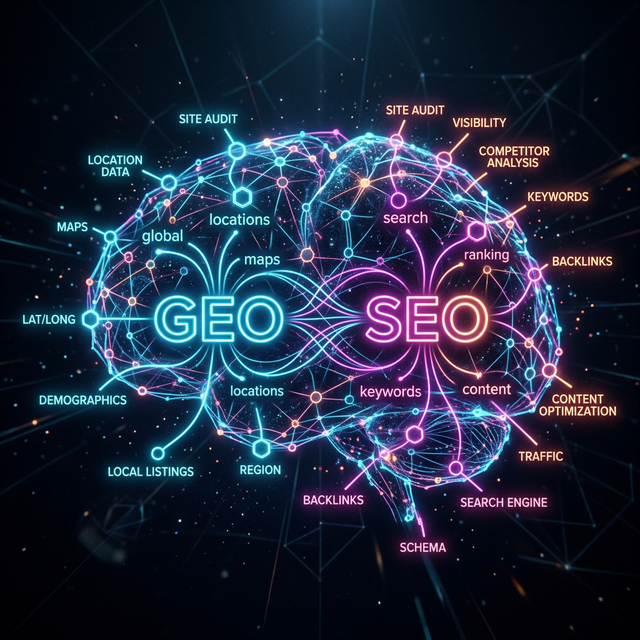
The Sovereign Answer: A Comprehensive Blueprint for SEO, GEO, and AISEO Domination in the Era of Generative Search
The master technical blueprint for optimizing your entire digital ecosystem for LLMs, Answer Engines, and the AI citation economy.
Read Dispatch
Local SEO
Los Angeles Local SEO: Applying the Lakers' Championship Mindset to GEO
Dominating local search in Los Angeles isn't a sprint. It takes discipline, rigorous structured data, and the stamina of an NBA champion.
Read Dispatch
Engineering
The Art of the 258th Website: 25 Years of Surviving Algorithms
From Glendale Career College in 1999 to the cutting edge of AI-driven web architectures. How surviving 25 years of Google updates changes your perspective on code.
Read Dispatch